Glutathione: The Intracellular Antioxidant Tripeptide
Research compounds for laboratory use only · not medical advice
By Vyroval Research Desk — an institutional byline. PubMed-linked sources are checked against their indexed records; how this desk works.
Glutathione (γ-Glu-Cys-Gly), the principal intracellular antioxidant, and its research in redox homeostasis, oxidative stress and detoxification pathways.
Glutathione is the most abundant antioxidant inside cells, and one of the few peptides whose name is familiar outside peptide research. It is a tripeptide — and its unusual γ-peptide bond is the reason it survives in the cell long enough to do its job.
The molecule
Glutathione is γ-L-glutamyl-L-cysteinyl-glycine (C₁₀H₁₇N₃O₆S, ≈ 307 g/mol). The γ-linkage between glutamate and cysteine (rather than the usual α-linkage) makes it resistant to the peptidases that would otherwise break a three-amino-acid peptide down quickly — a structural detail that is central to its biology.
What the research looks at
- Redox homeostasis — the glutathione/glutathione disulfide (GSH/GSSG) balance is a standard readout of oxidative state
- Oxidative-stress research — free-radical biology and antioxidant defense
- Detoxification and phase-II metabolism — glutathione conjugation pathways
- Cell-culture supplementation — a common additive in redox-sensitive assays
Its metabolic-supplementation neighbor is L-Carnitine.
Handling notes
Lyophilized, water soluble. Store at −20°C lyophilized, protect from light.
See Glutathione for CAS, purity and full specifications.
For laboratory research use only. Not medical advice.
Last updated September 9, 2026
FAQ
Frequently asked questions
What is Glutathione?
Glutathione (γ-L-glutamyl-L-cysteinyl-glycine) is a tripeptide and the principal intracellular antioxidant, central to redox homeostasis.
What research uses Glutathione?
Oxidative-stress research, detoxification and phase-II metabolism pathways, cell-culture media supplementation, and free-radical biology.
Is Glutathione really a peptide?
Yes — it is a tripeptide of glutamate, cysteine and glycine, with an unusual γ-linkage between glutamate and cysteine that protects it from normal peptidase degradation.
References
Selected literature for the compounds discussed
These papers are background literature on the compounds referenced above — they are not citations of this article.
- [1]Meister A., Anderson M.E. "Glutathione." Annual Review of Biochemistry, 1983.
- [2]Rebouche C.J., Seim H. "Carnitine metabolism and its regulation in microorganisms and mammals." Annual Review of Nutrition, 1998.
- [3]Bogan K.L., Brenner C. "Nicotinic acid, nicotinamide, and nicotinamide riboside: a molecular evaluation of NAD+ precursor vitamins in human nutrition." Annual Review of Nutrition, 2008.
- [4]Yoshino J., Baur J.A., Imai S. "NAD+ intermediates: the biology and therapeutic potential of NMN and NR." Cell Metabolism, 2018.
- [5]Lee C., et al. "The mitochondrial-derived peptide MOTS-c promotes metabolic homeostasis and reduces obesity and insulin resistance." Cell Metabolism, 2015.
- [6]Kumagai H., et al. "MOTS-c reduces myostatin and muscle atrophy signaling." Am J Physiol Endocrinol Metab, 2021.
Keep reading
Related articles
Epithalon (Epitalon): The Pineal Tetrapeptide
Epithalon (Ala-Glu-Asp-Gly), the synthetic pineal tetrapeptide, and its research in telomerase activity, circadian rhythm and longevity-focused biology.
L-Carnitine: The Fatty-Acid Transport Cofactor in Research
L-carnitine, the quaternary ammonium compound essential for mitochondrial fatty-acid transport, and its research in lipid metabolism and bioenergetics.
MOTS-c: The Mitochondrial-Derived Metabolic Peptide
MOTS-c (MRWQEMGYIFYPRKLR), the 16-amino-acid mitochondrial peptide, and its research in metabolic flexibility, AMPK signaling and insulin sensitivity.
Laboratory tools
Put it into practice
From the catalog
Reference compounds
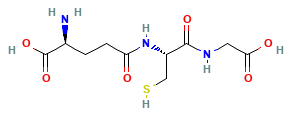
Glutathione
Tripeptide antioxidant. Redox homeostasis research.
CAS 70-18-8
Ships in 3–5 days500mg vial · In stock
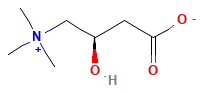
L-Carnitine
Fatty-acid metabolism cofactor. Mitochondrial research.
CAS 541-15-1
Ships in 3–5 days600mg vial · In stock
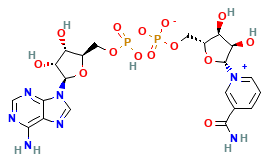
NAD+
Nicotinamide adenine dinucleotide. Cellular metabolism studies.
CAS 53-84-9
Ships in 3–5 days500mg vial · In stock
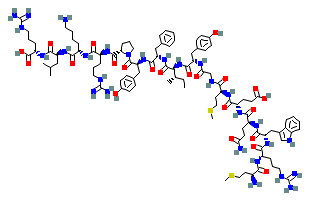
MOTS-c
Mitochondrial-derived 16aa peptide. Metabolic regulator.
CAS 1627580-64-6
Ships in 3–5 days10mg vial · In stock
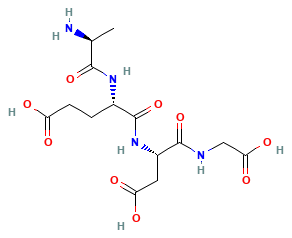
Epithalon
Pineal tetrapeptide (Ala-Glu-Asp-Gly). Telomerase research.
CAS 307297-39-8
Ships in 3–5 days10mg vial · In stock
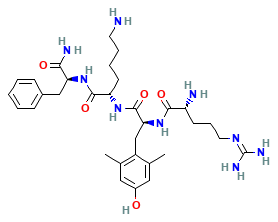
SS-31
Mitochondria-targeted tetrapeptide. Cardiolipin research.
CAS 736992-21-5
Ships in 3–5 days5mg vial · In stock
For laboratory research use only