L-Carnitine: The Fatty-Acid Transport Cofactor in Research
Research compounds for laboratory use only · not medical advice
By Vyroval Research Desk — an institutional byline. PubMed-linked sources are checked against their indexed records; how this desk works.
L-carnitine, the quaternary ammonium compound essential for mitochondrial fatty-acid transport, and its research in lipid metabolism and bioenergetics.
L-carnitine is not a peptide — it is a small molecule with a big job: it is the shuttle that moves long-chain fatty acids across the mitochondrial membrane so they can be oxidized. Every cell-culture experiment that touches fatty-acid metabolism eventually meets carnitine.
The molecule
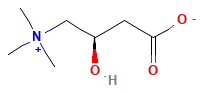
L-carnitine (C₇H₁₅NO₃, ≈ 161 g/mol) is a quaternary ammonium compound. Its biological role is shuttling long-chain fatty acids into the mitochondrial matrix for β-oxidation via the carnitine shuttle — a mechanism that makes it foundational to lipid-metabolism and mitochondrial research.
What the research looks at
- Lipid metabolism — fatty-acid transport and oxidation pathways
- Mitochondrial bioenergetics — where carnitine’s shuttle role intersects ATP production
- Cell-culture supplementation — a common additive in metabolic assays
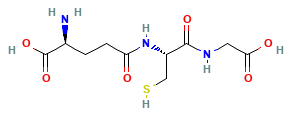
Its redox-adjacent partner in supplementation research is Glutathione.
Handling notes
Lyophilized powder, water soluble. Store at room temperature in a dry environment.
See L-Carnitine for CAS, purity and full specifications.
For laboratory research use only. Not medical advice.
Last updated September 9, 2026
FAQ
Frequently asked questions
What is L-Carnitine?
L-carnitine is a quaternary ammonium compound essential for transporting long-chain fatty acids across the mitochondrial membrane for β-oxidation.
What research uses L-Carnitine?
Lipid-metabolism research, mitochondrial bioenergetics, and metabolic-supplementation formulations for cell-culture work.
Is L-Carnitine a peptide?
No — it is a small quaternary ammonium molecule (C7H15NO3). It is grouped with research compounds because of its central role in mitochondrial metabolism.
References
Selected literature for the compounds discussed
These papers are background literature on the compounds referenced above — they are not citations of this article.
- [1]Rebouche C.J., Seim H. "Carnitine metabolism and its regulation in microorganisms and mammals." Annual Review of Nutrition, 1998.
- [2]Meister A., Anderson M.E. "Glutathione." Annual Review of Biochemistry, 1983.
- [3]Bogan K.L., Brenner C. "Nicotinic acid, nicotinamide, and nicotinamide riboside: a molecular evaluation of NAD+ precursor vitamins in human nutrition." Annual Review of Nutrition, 2008.
- [4]Yoshino J., Baur J.A., Imai S. "NAD+ intermediates: the biology and therapeutic potential of NMN and NR." Cell Metabolism, 2018.
- [5]Lee C., et al. "The mitochondrial-derived peptide MOTS-c promotes metabolic homeostasis and reduces obesity and insulin resistance." Cell Metabolism, 2015.
- [6]Kumagai H., et al. "MOTS-c reduces myostatin and muscle atrophy signaling." Am J Physiol Endocrinol Metab, 2021.
Keep reading
Related articles
Epithalon (Epitalon): The Pineal Tetrapeptide
Epithalon (Ala-Glu-Asp-Gly), the synthetic pineal tetrapeptide, and its research in telomerase activity, circadian rhythm and longevity-focused biology.
Glutathione: The Intracellular Antioxidant Tripeptide
Glutathione (γ-Glu-Cys-Gly), the principal intracellular antioxidant, and its research in redox homeostasis, oxidative stress and detoxification pathways.
MOTS-c: The Mitochondrial-Derived Metabolic Peptide
MOTS-c (MRWQEMGYIFYPRKLR), the 16-amino-acid mitochondrial peptide, and its research in metabolic flexibility, AMPK signaling and insulin sensitivity.
Laboratory tools
Put it into practice
From the catalog
Reference compounds
L-Carnitine
Fatty-acid metabolism cofactor. Mitochondrial research.
CAS 541-15-1
Ships in 3–5 days600mg vial · In stock
Glutathione
Tripeptide antioxidant. Redox homeostasis research.
CAS 70-18-8
Ships in 3–5 days500mg vial · In stock
NAD+
Nicotinamide adenine dinucleotide. Cellular metabolism studies.
CAS 53-84-9
Ships in 3–5 days500mg vial · In stock
MOTS-c
Mitochondrial-derived 16aa peptide. Metabolic regulator.
CAS 1627580-64-6
Ships in 3–5 days10mg vial · In stock
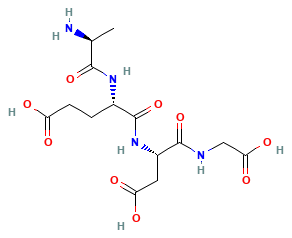
Epithalon
Pineal tetrapeptide (Ala-Glu-Asp-Gly). Telomerase research.
CAS 307297-39-8
Ships in 3–5 days10mg vial · In stock
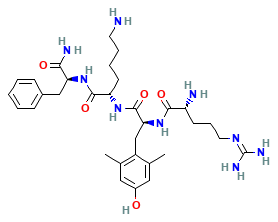
SS-31
Mitochondria-targeted tetrapeptide. Cardiolipin research.
CAS 736992-21-5
Ships in 3–5 days5mg vial · In stock
For laboratory research use only