Peptide Reconstitution: A Practical Guide to BAC Water Math
Research compounds for laboratory use only · not medical advice
By Vyroval Research Desk — an institutional byline. PubMed-linked sources are checked against their indexed records; how this desk works.
How to reconstitute lyophilized research peptides with bacteriostatic water — concentration math, U-100 syringe units, storage, and common mistakes.
Lyophilized (freeze-dried) research peptides are shipped as dry powder. Reconstitution — adding bacteriostatic water — turns the vial into a measured solution you can dose precisely with a U-100 insulin syringe. It is simple arithmetic, but small errors compound fast.
The three numbers that matter
- Vial dose — the total peptide in the vial, e.g. 5 mg (5,000 µg) for BPC-157 or 10 mg (10,000 µg) for retatrutide.
- Water volume — the mL of bacteriostatic water you inject into the vial.
- Target dose — the µg (or IU, for HGH 191aa) you intend per draw.
The math
Concentration = vial dose ÷ water volume.
Example: 5 mg BPC-157 + 2 mL water → 5,000 µg ÷ 2 mL = 2,500 µg/mL.
Per syringe unit = concentration × 0.01 (1 unit = 0.01 mL on U-100).
Draw volume = target dose ÷ per-unit amount.
Example: 250 µg target ÷ 25 µg/unit = 10 units = 0.1 mL.
The peptide reconstitution calculator does all of this for every lyophilized compound in the catalog, with presets for the actual vial sizes.
Three common mistakes
- Forgetting the unit conversion — mg is 1,000× µg. A 5 mg vial is 5,000 µg, not 5.
- Using the wrong syringe scale — U-40 and U-500 syringes use different units-per-mL; the math above assumes U-100.
- Reconstituting with plain water — bacteriostatic water (0.9% benzyl alcohol) preserves multi-dose vials; sterile water without preservative does not.
Storage and aseptic handling
- Lyophilized: −20 °C, protected from moisture.
- Reconstituted: refrigerate at 2–8 °C and use within the documented window.
- Swab the vial septum before each draw; use a fresh syringe per draw; never reuse needles.
Full handling data is listed on each product page — see BPC-157, TB-500 or GHK-Cu.
For laboratory research use only. Not medical advice.
Last updated September 9, 2026
FAQ
Frequently asked questions
What is bacteriostatic water and why is it used?
USP-grade bacteriostatic water is sterile water containing 0.9% benzyl alcohol as a preservative, which allows multiple draws from a single vial over time. Vyroval supplies it in sterile 10 mL vials.
How much water should I add to a peptide vial?
A common research convention is 1–3 mL per vial. Smaller volumes give higher concentrations and smaller draw volumes per dose; larger volumes are easier to measure precisely. The calculator accepts any volume.
How do U-100 syringe units relate to mL?
A U-100 insulin syringe is calibrated to 100 units per mL, so 1 unit = 0.01 mL. Converting a target dose to units is the final step of reconstitution math.
How should reconstituted peptides be stored?
Lyophilized powder is stored at −20 °C. Reconstituted solutions are typically refrigerated at 2–8 °C and used within the documented stability window — always follow the Certificate of Analysis and protocol.
References
Selected literature for the compounds discussed
These papers are background literature on the compounds referenced above — they are not citations of this article.
- [1]Meyer B.K., et al. "Antimicrobial preservative use in parenteral products: past and present." J Pharm Sci, 2007.
- [2]Corbo D.C., et al. "Stability, potency, and preservative effectiveness of epoetin alfa after addition of a bacteriostatic diluent." Am J Hosp Pharm, 1992.
- [3]Arnott R.D., et al. "Insulin syringes: dangers of dead space." Med J Aust, 1982.
- [4]Eskander J., et al. "The incidence of coring and fragmentation of medication vial rubber stoppers." J Clin Anesth, 2015.
- [5]Liu L., et al. "Particles shed from syringe filters and their effects on agitation-induced protein aggregation." J Pharm Sci, 2012.
- [6]Sikiric P., et al. "Pentadecapeptide BPC 157 and the stomach." Journal of Physiology (Paris), 1993.
Keep reading
Related articles
Bacteriostatic Water: The Solvent Behind Every Vial
What bacteriostatic water is, why the 0.9% benzyl alcohol matters, and how it fits into lyophilized compound reconstitution.
BPC-157 Dosage and Reconstitution Math: 5 mg Vial in the Lab
BPC-157 vial math — reconstituting a 5 mg lyophilized vial, mg to mL and U-100 unit conversions, and common research dose ranges.
Peptide Storage and Stability: Vial Handling
Lyophilized vs reconstituted storage, −20 °C vs 2–8 °C, freeze-thaw effects, and the practical rules that protect expensive research material.
From the catalog
Reference compounds
Bacteriostatic Water
0.9% benzyl alcohol, sterile USP-grade solvent.
CAS 7732-18-5
Ships in 1–2 days10mL vial · In stock
Insulin Syringes 1mL
29G × 1/2", U-100, individually wrapped.
1mL U-100 syringe
Ships in 1–2 days100 pcs/box · In stock
Sterile Empty Vials
10mL Type-I borosilicate, sterile, ready to use.
10mL vial, flip-off seal
Ships in 1–2 days25 vials/tray · In stock
PTFE Syringe Filters
0.22μm hydrophobic membrane, 25mm.
25mm disc filter
Ships in 1–2 days50 pcs/box · In stock
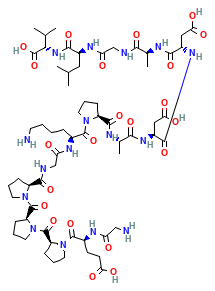
BPC-157
Pentadecapeptide. Gastric pentadecapeptide research.
CAS 137525-51-0
Ships in 3–5 days5mg vial · In stock
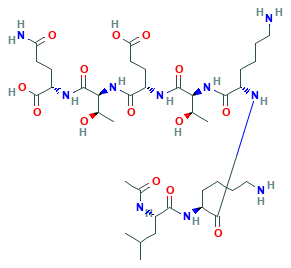
TB-500
Thymosin β4 fragment. Actin-binding domain active.
CAS 885340-08-9
Ships in 3–5 days5mg vial · In stock
For laboratory research use only