Retatrutide Research Findings: Trial and Lab Data
Research compounds for laboratory use only · not medical advice
By Vyroval Research Desk — an institutional byline. PubMed-linked sources are checked against their indexed records; how this desk works.
The evidence base on retatrutide (LY3437943) — phase 2 dose-response data, the triple-agonist rationale, and what the findings mean for metabolic research.
Retatrutide is one of the most-watched investigational compounds in metabolic research, and the published data give laboratories a clear picture of its pharmacology.
Phase 2 dose-response
The 48-week phase 2 program evaluated once-weekly retatrutide at 1, 4, 8 and 12 mg, with weight reduction as the primary endpoint. Results were dose-dependent:
- 1 mg and 4 mg — modest, dose-related reductions
- 8 mg and 12 mg — the largest mean reductions reported in the study
The magnitude of effect at the higher doses — attributed to the triple-agonist mechanism — is what moved retatrutide into the phase 3 TRIUMPH program.
What the triple-agonist data imply
Across the incretin class, the published data support a graduated mechanism:
- GLP-1 agonism — appetite suppression, insulin secretion, slowed gastric emptying
- +GIP agonism (tirzepatide) — added incretin signaling, fat-tissue effects
- +glucagon agonism (retatrutide) — energy expenditure through thermogenesis and lipid oxidation
For researchers, retatrutide is the reference compound for studying the additive energy-expenditure arm — the component not present in dual agonists.
Preclinical and translational notes
- Retatrutide is a single 39-residue peptide with a C20 fatty-diacid (albumin-binding) tail — the lipidization that supports once-weekly dosing
- Mass-spec-verified identity and HPLC purity are per-batch documented (our retatrutide: 99.5%)
- Storage -20°C lyophilized; reconstitute with bacteriostatic water
Sources and further reading
- Phase 2 program results: published 2023 (NEJM; Jastreboff et al., “Triple–Hormone-Receptor Agonist Retatrutide for Metabolic Dysfunction-Associated Steatotic Liver Disease” / “Retatrutide for Obesity and Type 2 Diabetes”)
- TRIUMPH phase 3 program: ongoing
- Mechanism overview: retatrutide mechanism of action, retatrutide vs tirzepatide, semaglutide vs tirzepatide
All compounds on this site are research products for laboratory use only — not for human or veterinary use.
Last updated September 9, 2026
FAQ
Frequently asked questions
What were the main results of the retatrutide phase 2 trial?
In the 48-week phase 2 program, weight reduction was dose-dependent; the 8 mg and 12 mg weekly arms reported the largest mean reductions.
How does retatrutide compare to dual agonists in the data?
The added glucagon receptor agonism is associated with greater energy expenditure signals compared with dual GIP/GLP-1 agonism alone, though head-to-head data are still limited.
Is retatrutide in phase 3 trials?
Yes — the TRIUMPH program covers the phase 3 development across multiple indications.
Where can I get retatrutide for research?
It is supplied as a lyophilized research peptide (10 mg vials) for laboratory use only — see the retatrutide product page.
References
Selected literature for the compounds discussed
These papers are background literature on the compounds referenced above — they are not citations of this article.
- [1]Rosenstock J., et al. "Retatrutide, a GIP, GLP-1 and glucagon receptor tri-agonist, for type 2 diabetes: a randomised, double-blind, placebo-controlled, phase 2 trial." The Lancet, 2023.
- [2]Jastreboff A.M., et al. "Retatrutide, a GIP, GLP-1 and glucagon receptor tri-agonist, for overweight and obesity: a randomised, double-blind, placebo-controlled, phase 2 trial." The Lancet, 2023.
- [3]Jastreboff A.M., et al. "Triple-hormone-receptor agonist retatrutide for metabolic dysfunction-associated steatotic liver disease: a randomized phase 2a trial." Nature Medicine, 2024.
- [4]Frías J.P., et al. "Tirzepatide versus Semaglutide Once Weekly in Patients with Type 2 Diabetes." New England Journal of Medicine, 2021 (SURPASS-2).
- [5]Jastreboff A.M., et al. "Tirzepatide Once Weekly for the Treatment of Obesity." New England Journal of Medicine, 2022 (SURMOUNT-1).
- [6]Wilding J.P.H., et al. "Once-Weekly Semaglutide in Adults with Overweight or Obesity." New England Journal of Medicine, 2021 (STEP 1).
Keep reading
Related articles
Retatrutide Mechanism: The Triple Agonist
GIP, GLP-1 and glucagon receptor activation — the balanced tri-agonist mechanism that makes retatrutide (LY3437943) a reference compound in metabolic research.
Semaglutide Mechanism: GLP-1 Receptor Agonism
How semaglutide's GLP-1 receptor agonism, Aib-8 stabilization and C18 fatty-acid chain make it the reference standard for GLP-1 research.
Tirzepatide Mechanism: Dual GIP/GLP-1 Agonism
How tirzepatide's dual GIP/GLP-1 receptor agonism and C20 fatty-diacid tail make it the reference 'twincretin' in metabolic research.
Laboratory tools
Put it into practice
From the catalog
Reference compounds
Retatrutide
Triple-agonist (GIP/GLP-1/Glucagon). Lyophilized, mass-spec verified.
CAS 2381089-83-2
Ships in 3–5 days10mg vial · In stock
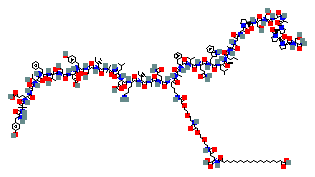
Tirzepatide
Dual GIP/GLP-1 agonist. Research grade.
CAS 2023788-19-2
Ships in 3–5 days10mg vial · In stock
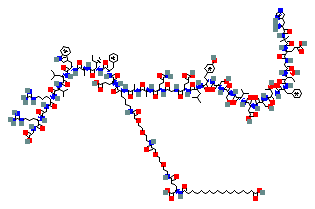
Semaglutide
GLP-1 receptor agonist. Reference standard.
CAS 910463-68-2
Ships in 3–5 days5mg vial · In stock
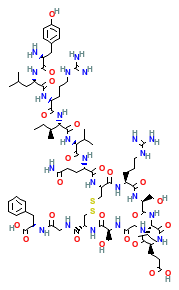
AOD-9604
hGH fragment 177-191. Lipolytic research peptide.
CAS 221231-10-3
Ships in 3–5 days10mg vial · In stock
For laboratory research use only