Semaglutide Mechanism: GLP-1 Receptor Agonism
Research compounds for laboratory use only · not medical advice
By Vyroval Research Desk — an institutional byline. PubMed-linked sources are checked against their indexed records; how this desk works.
How semaglutide's GLP-1 receptor agonism, Aib-8 stabilization and C18 fatty-acid chain make it the reference standard for GLP-1 research.
Semaglutide is a selective GLP-1 receptor agonist and the reference standard in the incretin research class. Its 94% sequence homology to native human GLP-1, combined with two structural modifications, is what makes it a workhorse compound in metabolic laboratories.
The two structural modifications
| Modification | Effect |
|---|---|
| Aib substitution at position 8 | Resists DPP-4 cleavage → longer activity in assays |
| C18 fatty-acid chain | Strong albumin binding → extended plasma half-life |
Native GLP-1 has a plasma half-life of minutes — it is degraded by DPP-4 almost immediately. Semaglutide’s Aib-8 residue blocks that degradation, and the C18 diacid chain anchors the peptide to albumin, giving it a circulation time suitable for once-weekly dosing in the clinic.
Receptor selectivity matters
Semaglutide activates only the GLP-1 receptor. That selectivity is what makes it the clean reference for GLP-1-specific effects:
- GLP-1 selective → isolates the GLP-1 pathway in receptor-binding and signaling studies
- Tirzepatide (dual GIP/GLP-1) and retatrutide (triple GIP/GLP-1/glucagon) add receptors on top of the same incretin base
For dose-response and receptor-pharmacology comparisons, running semaglutide alongside the multi-agonist compounds separates the GLP-1 contribution from the additional receptor arms.
Research applications
Semaglutide is used as a reference standard in:
- GLP-1 receptor binding assays
- Insulinotropic and β-cell signaling research
- Appetite and food-intake pathway studies
- Formulation-stability testing (its albumin-binding design is itself a study subject)
Reference data
CAS 910463-68-2 · C187H291N45O59 · MW 4113.6 · 5 mg lyophilized vial · 99.4% purity
Reconstitute with bacteriostatic water — see semaglutide titration math and the reconstitution calculator. Compare with tirzepatide and retatrutide.
Last updated September 9, 2026
FAQ
Frequently asked questions
What receptor does semaglutide activate?
Semaglutide is a selective GLP-1 receptor agonist — it targets only the GLP-1 receptor, unlike dual or triple agonists.
Why is semaglutide more stable than native GLP-1?
An Aib (α-aminoisobutyric acid) substitution at position 8 resists DPP-4 degradation, and a C18 fatty-acid chain binds albumin for a long plasma half-life.
What is semaglutide used for in research?
GLP-1 receptor binding assays, insulinotropic research, appetite and food-intake studies, and formulation-stability testing.
What is the molecular weight of semaglutide?
4113.6 g/mol (C187H291N45O59); it ships as a lyophilized 5 mg research vial.
References
Selected literature for the compounds discussed
These papers are background literature on the compounds referenced above — they are not citations of this article.
- [1]Wilding J.P.H., et al. "Once-Weekly Semaglutide in Adults with Overweight or Obesity." New England Journal of Medicine, 2021 (STEP 1).
- [2]Marso S.P., et al. "Semaglutide and Cardiovascular Outcomes in Patients with Type 2 Diabetes." New England Journal of Medicine, 2016 (SUSTAIN-6).
- [3]Rosenstock J., et al. "Retatrutide, a GIP, GLP-1 and glucagon receptor tri-agonist, for type 2 diabetes: a randomised, double-blind, placebo-controlled, phase 2 trial." The Lancet, 2023.
- [4]Jastreboff A.M., et al. "Retatrutide, a GIP, GLP-1 and glucagon receptor tri-agonist, for overweight and obesity: a randomised, double-blind, placebo-controlled, phase 2 trial." The Lancet, 2023.
- [5]Jastreboff A.M., et al. "Triple-hormone-receptor agonist retatrutide for metabolic dysfunction-associated steatotic liver disease: a randomized phase 2a trial." Nature Medicine, 2024.
- [6]Frías J.P., et al. "Tirzepatide versus Semaglutide Once Weekly in Patients with Type 2 Diabetes." New England Journal of Medicine, 2021 (SURPASS-2).
Keep reading
Related articles
Retatrutide Mechanism: The Triple Agonist
GIP, GLP-1 and glucagon receptor activation — the balanced tri-agonist mechanism that makes retatrutide (LY3437943) a reference compound in metabolic research.
Retatrutide Research Findings: Trial and Lab Data
The evidence base on retatrutide (LY3437943) — phase 2 dose-response data, the triple-agonist rationale, and what the findings mean for metabolic research.
Tirzepatide Mechanism: Dual GIP/GLP-1 Agonism
How tirzepatide's dual GIP/GLP-1 receptor agonism and C20 fatty-diacid tail make it the reference 'twincretin' in metabolic research.
Laboratory tools
Put it into practice
From the catalog
Reference compounds
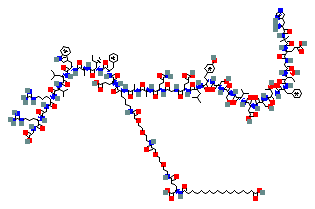
Semaglutide
GLP-1 receptor agonist. Reference standard.
CAS 910463-68-2
Ships in 3–5 days5mg vial · In stock
Retatrutide
Triple-agonist (GIP/GLP-1/Glucagon). Lyophilized, mass-spec verified.
CAS 2381089-83-2
Ships in 3–5 days10mg vial · In stock
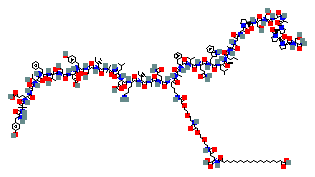
Tirzepatide
Dual GIP/GLP-1 agonist. Research grade.
CAS 2023788-19-2
Ships in 3–5 days10mg vial · In stock
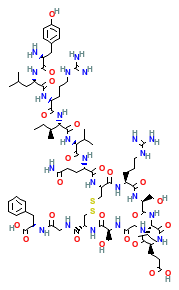
AOD-9604
hGH fragment 177-191. Lipolytic research peptide.
CAS 221231-10-3
Ships in 3–5 days10mg vial · In stock
For laboratory research use only