FDA PCAC 2026: Six Peptides for 503A Compounding
Research compounds for laboratory use only · not medical advice
By Vyroval Research Desk — an institutional byline. PubMed-linked sources are checked against their indexed records; how this desk works.
The July 2026 PCAC vote recommending BPC-157, KPV, TB-500, MOTS-c, Epitalon and Semax for the 503A Bulks List — the regulatory update researchers should know.
In late July 2026, the FDA’s Pharmacy Compounding Advisory Committee (PCAC) voted to recommend that six peptides — BPC-157, KPV, TB-500, MOTS-c, Epitalon and Semax — be added to the Section 503A Bulks List. The same meeting recommended against adding emideltide.
This is a regulatory update worth tracking if you work with research peptides, because the 503A Bulks List determines which bulk substances compounding pharmacies can use — and these are among the most-studied peptides in the research space.
What happened
Over two days (July 23–24, 2026), PCAC reviewed seven peptide-related bulk substances:
- Day 1 (July 23): majority votes in favor of BPC-157, KPV, TB-500 and MOTS-c
- Day 2 (July 24): majority votes in favor of Epitalon and Semax; against Emideltide
The votes were close on some substances, and the FDA staff briefing documents had raised safety and efficacy questions beforehand — the committee’s recommendations are advisory, not binding.
Vote tallies, exactly
- BPC-157 — 8 : 6, one abstention, overruling the staff’s negative preliminary assessment
- KPV — 8 : 6 · TB-500 — 8 : 6
- MOTS-c — 7 : 5 · Epitalon — 7 : 4, one abstention · Semax — majority in favor
- Emideltide — rejected — the only substance voted down
The margins matter: every one of these was a narrow recommendation, not an endorsement, and the April 2026 removal of all six (plus five more peptides) from the Category 2 safety-risk list is the precondition that put them on this agenda at all. Full chronology: 2026 peptide regulatory timeline.
What happens next
The recommendations now move to the FDA, which is not bound to follow them. Final inclusion on the 503A Bulks List requires rulemaking. Notably, HHS Secretary Robert F. Kennedy Jr. has publicly supported the compounding-peptide direction, which is why the July vote is being watched closely by the research and pharmacy communities.
Why it matters for research supply
The six recommended peptides are core research compounds:
- BPC-157 — the gastric pentadecapeptide studied in tissue-repair and angiogenesis research
- KPV — the anti-inflammatory α-MSH fragment
- TB-500 — the thymosin β4 fragment in actin-binding and repair research
- MOTS-c — the mitochondrial-derived metabolic peptide
- Epithalon — the pineal tetrapeptide in telomere research
- Semax — the ACTH 4-10 cognitive peptide
Research-use framing
None of this changes the research-use status of these compounds: they remain investigational materials for laboratory study, supplied as lyophilized research peptides with batch COA documentation, not as approved drugs. What the regulatory movement does is signal sustained institutional interest in the same compounds the research community has been studying for years.
See the individual product pages for CAS, purity and full specifications. For reconstitution math, the peptide reconstitution calculator covers the liquid side.
For laboratory research use only. Not medical advice.
Last updated September 10, 2026
FAQ
Frequently asked questions
Which peptides did the FDA advisory committee recommend in July 2026?
The Pharmacy Compounding Advisory Committee voted to recommend BPC-157, KPV, TB-500, MOTS-c, Epitalon and Semax for the 503A Bulks List; it recommended against emideltide.
What is the 503A Bulks List?
It is the FDA list of bulk drug substances that state-licensed compounding pharmacies may use to compound medications for individual patients under valid prescriptions.
Are these recommendations binding?
No. PCAC recommendations are advisory. Final inclusion requires rulemaking, and Secretary Robert F. Kennedy Jr. has expressed support for compounding peptides.
References
Selected literature for the compounds discussed
These papers are background literature on the compounds referenced above — they are not citations of this article.
- [1]Sikiric P., et al. "Pentadecapeptide BPC 157 and the stomach." Journal of Physiology (Paris), 1993.
- [2]Sikiric P., et al. "Stable gastric pentadecapeptide BPC 157: novel therapy in gastrointestinal tract damage." Current Pharmaceutical Design, 2011.
- [3]Lipton J.M., et al. "Antipyretic and anti-inflammatory lys-pro-val compositions." U.S. Patent 5,157,023, 1992.
- [4]Xiao B., et al. "Orally Targeted Delivery of Tripeptide KPV via Hyaluronic Acid-Functionalized Nanoparticles Efficiently Alleviates Ulcerative Colitis." Mol Ther, 2017.
- [5]Kleinman H.K., et al. "Thymosin β4 accelerates wound healing." Journal of Investigative Dermatology, 2000.
- [6]Sosne G., et al. "Thymosin beta4: a potential novel therapy for neurotrophic keratopathy." Expert Opinion on Biological Therapy, 2004.
Keep reading
Related articles
BPC-157 and the 503A Bulks List: July 2026
BPC-157 was recommended for the FDA 503A Bulks List in July 2026 — what the vote means, what it doesn't change, and the research status of the pentadecapeptide.
BPC-157: The Complete Research Reference
Identity, stability, reconstitution arithmetic, the published animal models, and where the evidence stops — a single entry point to every BPC-157 page in the journal.
BPC-157 Mechanism of Action: Repair Pathways
Angiogenesis, nitric-oxide modulation, fibroblast activity and GI mucosal protection — the mechanisms behind BPC-157's tissue-repair research profile.
Laboratory tools
Put it into practice
From the catalog
Reference compounds
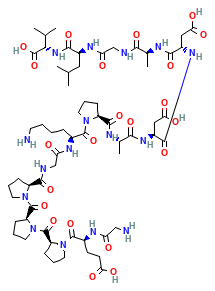
BPC-157
Pentadecapeptide. Gastric pentadecapeptide research.
CAS 137525-51-0
Ships in 3–5 days5mg vial · In stock
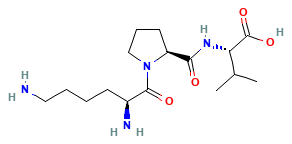
KPV
Anti-inflammatory tripeptide (Lys-Pro-Val). α-MSH fragment.
CAS 67727-97-3
Ships in 3–5 days10mg vial · In stock
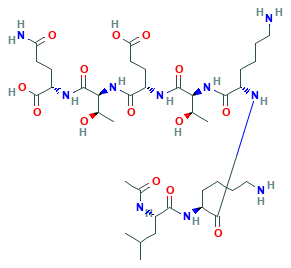
TB-500
Thymosin β4 fragment. Actin-binding domain active.
CAS 885340-08-9
Ships in 3–5 days5mg vial · In stock
For laboratory research use only