BPC-157 and the 503A Bulks List: July 2026
Research compounds for laboratory use only · not medical advice
By Vyroval Research Desk — an institutional byline. PubMed-linked sources are checked against their indexed records; how this desk works.
BPC-157 was recommended for the FDA 503A Bulks List in July 2026 — what the vote means, what it doesn't change, and the research status of the pentadecapeptide.
In late July 2026, the FDA’s Pharmacy Compounding Advisory Committee (PCAC) voted to recommend BPC-157 for the Section 503A Bulks List. If you work with this peptide, the vote is worth understanding — including what it does and does not change.
What the vote means
- Yes: PCAC recommended BPC-157 for the 503A Bulks List (along with KPV, TB-500, MOTS-c, Epitalon and Semax)
- No: this is not an FDA approval. The 503A list governs which bulk substances compounding pharmacies may use for patient-specific prescriptions
- Next: final inclusion requires formal rulemaking; the recommendation is advisory
What it does not change
BPC-157 remains an investigational compound with a preclinical-only evidence base. Most published data come from rodent and in vitro models of tissue repair:
- Angiogenesis (VEGF / nitric-oxide pathway)
- Tendon and ligament fibroblast activity
- Gastrointestinal mucosal protection and ulcer healing
- Nitric-oxide pathway modulation
No large-scale human efficacy trials have established clinical use, and the compound is not approved by any major regulatory authority. The research-grade supply channel is separate from pharmacy compounding.
BPC-157 at a glance
| Property | Value |
|---|---|
| CAS | 137525-51-0 |
| Molecular formula | C62H98N16O22 |
| Molecular weight | 1419.5 g/mol |
| Form | Lyophilized powder (5 mg vial, 10 vials/box) |
| Purity | ≥99.5% (HPLC-MS) |
| Solubility | Water |
| Storage | -20°C |
Why the 503A interest matters for researchers
The regulatory attention is a demand signal — more institutions ask about documented sourcing when a compound moves through formal review. For procurement, the practical checklist is unchanged:
- Batch-specific COA with HPLC-MS data
- Lyophilized, sealed, stored cold
- Clear research-only labeling
See the 503A overview and the peptide cliff analysis for the full regulatory picture. BPC-157 is also available in the BPC-157 + TB-500 blend.
Last updated September 9, 2026
FAQ
Frequently asked questions
Is BPC-157 FDA approved?
No. BPC-157 is not approved by the FDA for any use. The July 2026 advisory recommendation concerns the 503A Bulks List, which is a compounding eligibility list — not approval.
What did the FDA committee vote on BPC-157?
PCAC voted in favor of recommending BPC-157 for the 503A Bulks List in July 2026; final inclusion requires rulemaking.
What is BPC-157 studied for?
Angiogenesis, tendon and ligament fibroblast activity, gastrointestinal mucosal protection, and nitric-oxide pathway modulation — mainly in preclinical models.
Is BPC-157 legal to buy for research?
Research-grade BPC-157 is sold as a lyophilized peptide for laboratory use only, with batch COA documentation — not for human or veterinary use.
References
Selected literature for the compounds discussed
These papers are background literature on the compounds referenced above — they are not citations of this article.
- [1]Sikiric P., et al. "Pentadecapeptide BPC 157 and the stomach." Journal of Physiology (Paris), 1993.
- [2]Sikiric P., et al. "Stable gastric pentadecapeptide BPC 157: novel therapy in gastrointestinal tract damage." Current Pharmaceutical Design, 2011.
- [3]Kleinman H.K., et al. "Thymosin β4 accelerates wound healing." Journal of Investigative Dermatology, 2000.
- [4]Biçer O., et al. "Effects of BPC-157 and TB-500 on Achilles tendon healing in rats: A histopathological and biomechanical study." Jt Dis Relat Surg, 2026.
- [5]Lipton J.M., et al. "Antipyretic and anti-inflammatory lys-pro-val compositions." U.S. Patent 5,157,023, 1992.
- [6]Xiao B., et al. "Orally Targeted Delivery of Tripeptide KPV via Hyaluronic Acid-Functionalized Nanoparticles Efficiently Alleviates Ulcerative Colitis." Mol Ther, 2017.
Keep reading
Related articles
BPC-157 Mechanism of Action: Repair Pathways
Angiogenesis, nitric-oxide modulation, fibroblast activity and GI mucosal protection — the mechanisms behind BPC-157's tissue-repair research profile.
TB-500 Mechanism: Thymosin Beta-4 Fragment
How TB-500's conserved actin-binding (LKKTETQ) domain drives the cell-migration and tissue-repair mechanisms studied in research.
BPC-157: The Complete Research Reference
Identity, stability, reconstitution arithmetic, the published animal models, and where the evidence stops — a single entry point to every BPC-157 page in the journal.
Laboratory tools
Put it into practice
From the catalog
Reference compounds
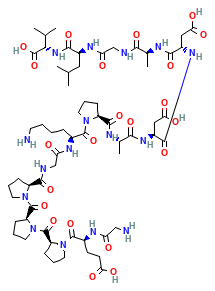
BPC-157
Pentadecapeptide. Gastric pentadecapeptide research.
CAS 137525-51-0
Ships in 3–5 days5mg vial · In stock
BPC-157 + TB-500 Blend
BPC-157 5mg + TB-500 5mg pre-mixed blend. Canonical tissue-repair combination.
Lyophilized powder
Ships in 5–7 days10mg blend vial · In stock
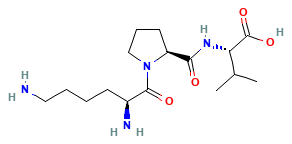
KPV
Anti-inflammatory tripeptide (Lys-Pro-Val). α-MSH fragment.
CAS 67727-97-3
Ships in 3–5 days10mg vial · In stock
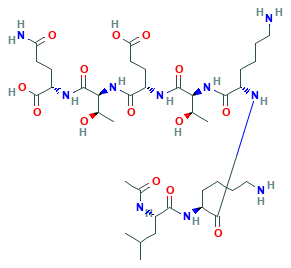
TB-500
Thymosin β4 fragment. Actin-binding domain active.
CAS 885340-08-9
Ships in 3–5 days5mg vial · In stock
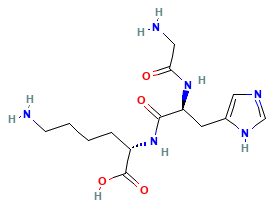
GHK-Cu
Copper tripeptide-1. Tissue regeneration studies.
CAS 49557-75-7
Ships in 3–5 days50mg vial · In stock
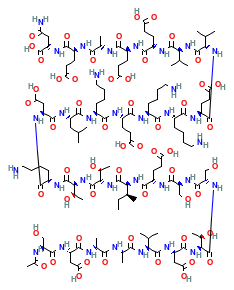
Thymosin Alpha-1
Immunomodulatory 28aa thymic peptide.
CAS 62304-98-7
Ships in 3–5 days10mg vial · In stock
For laboratory research use only