TB-500 Mechanism: Thymosin Beta-4 Fragment
Research compounds for laboratory use only · not medical advice
By Vyroval Research Desk — an institutional byline. PubMed-linked sources are checked against their indexed records; how this desk works.
How TB-500's conserved actin-binding (LKKTETQ) domain drives the cell-migration and tissue-repair mechanisms studied in research.
TB-500 is a synthetic thymosin beta-4 fragment — a short peptide built around the conserved LKKTETQ actin-binding domain that gives the full-length protein its biological activity. In research it is used as a fragment-level tool for studying actin dynamics and tissue-repair pathways.
The actin-binding domain
| Element | Role |
|---|---|
| LKKTETQ motif | Binds actin monomers — the conserved domain of thymosin beta-4 |
| Fragment design | Retains the actin-binding activity without the full 43-aa protein |
| Downstream effects studied | Cell migration, endothelial tubule formation, wound healing, anti-inflammatory signaling |
Actin dynamics sit under most cell-migration and tissue-repair research: cells must reorganize their cytoskeleton to migrate, proliferate and form new vessels. The LKKTETQ domain is the handle researchers use to probe those processes with a small, defined molecule.
Why a fragment instead of the full protein
Thymosin beta-4 is a 43-amino-acid protein. TB-500 (the fragment) is a smaller research tool that isolates the actin-binding axis. That design makes it practical for in vitro studies where a defined, lyophilized, batch-documented peptide is preferred over a full-length recombinant protein.
Research applications
- Cell migration and wound-healing models
- Endothelial cell tubule formation (angiogenesis-adjacent)
- Actin-dynamics studies
- Combined with BPC-157 in the popular BPC-157 + TB-500 blend for dual-pathway tissue-repair research
Reference data
CAS 885340-08-9 · C212H350N56O78S1 · MW 4963.4 · 99.3% purity · 5 mg lyophilized vial
Store at -20°C, reconstitute with bacteriostatic water — see TB-500 reconstitution math and BPC-157 vs TB-500.
Last updated September 9, 2026
FAQ
Frequently asked questions
What is TB-500?
TB-500 is a synthetic fragment of thymosin beta-4 (TB-4) built around the conserved actin-binding LKKTETQ domain.
What is TB-500's molecular weight?
4963.4 g/mol (C212H350N56O78S1); it ships as a lyophilized 5 mg research vial.
How does TB-500's mechanism relate to actin?
The LKKTETQ sequence binds actin monomers, which is central to the cell-migration, endothelial tubule-formation and wound-healing research models.
Is TB-500 approved for human use?
No. It is a research peptide for laboratory use only, supplied lyophilized with batch documentation.
References
Selected literature for the compounds discussed
These papers are background literature on the compounds referenced above — they are not citations of this article.
- [1]Kleinman H.K., et al. "Thymosin β4 accelerates wound healing." Journal of Investigative Dermatology, 2000.
- [2]Sosne G., et al. "Thymosin beta4: a potential novel therapy for neurotrophic keratopathy." Expert Opinion on Biological Therapy, 2004.
- [3]Sikiric P., et al. "Pentadecapeptide BPC 157 and the stomach." Journal of Physiology (Paris), 1993.
- [4]Sikiric P., et al. "Stable gastric pentadecapeptide BPC 157: novel therapy in gastrointestinal tract damage." Current Pharmaceutical Design, 2011.
- [5]Biçer O., et al. "Effects of BPC-157 and TB-500 on Achilles tendon healing in rats: A histopathological and biomechanical study." Jt Dis Relat Surg, 2026.
- [6]Pickart L., Thaler M.M. "Tripeptide in human serum which prolongs survival of normal liver cells and stimulates growth in neoplastic liver." Nature, 1973.
Keep reading
Related articles
BPC-157 and the 503A Bulks List: July 2026
BPC-157 was recommended for the FDA 503A Bulks List in July 2026 — what the vote means, what it doesn't change, and the research status of the pentadecapeptide.
BPC-157 Mechanism of Action: Repair Pathways
Angiogenesis, nitric-oxide modulation, fibroblast activity and GI mucosal protection — the mechanisms behind BPC-157's tissue-repair research profile.
BPC-157: The Complete Research Reference
Identity, stability, reconstitution arithmetic, the published animal models, and where the evidence stops — a single entry point to every BPC-157 page in the journal.
Laboratory tools
Put it into practice
From the catalog
Reference compounds
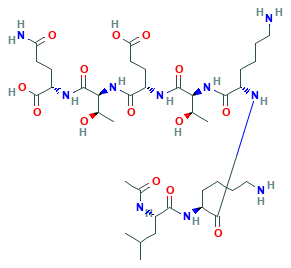
TB-500
Thymosin β4 fragment. Actin-binding domain active.
CAS 885340-08-9
Ships in 3–5 days5mg vial · In stock
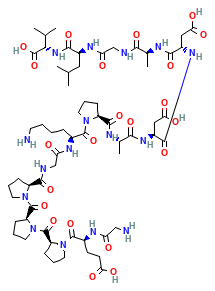
BPC-157
Pentadecapeptide. Gastric pentadecapeptide research.
CAS 137525-51-0
Ships in 3–5 days5mg vial · In stock
BPC-157 + TB-500 Blend
BPC-157 5mg + TB-500 5mg pre-mixed blend. Canonical tissue-repair combination.
Lyophilized powder
Ships in 5–7 days10mg blend vial · In stock
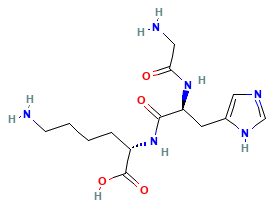
GHK-Cu
Copper tripeptide-1. Tissue regeneration studies.
CAS 49557-75-7
Ships in 3–5 days50mg vial · In stock
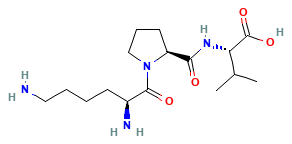
KPV
Anti-inflammatory tripeptide (Lys-Pro-Val). α-MSH fragment.
CAS 67727-97-3
Ships in 3–5 days10mg vial · In stock
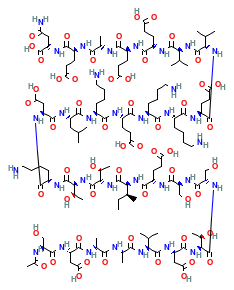
Thymosin Alpha-1
Immunomodulatory 28aa thymic peptide.
CAS 62304-98-7
Ships in 3–5 days10mg vial · In stock
For laboratory research use only