GHK-Cu vs BPC-157: Copper Peptide vs Pentadecapeptide
Research compounds for laboratory use only · not medical advice
By Vyroval Research Desk — an institutional byline. PubMed-linked sources are checked against their indexed records; how this desk works.
Two tissue-focused peptides from different worlds — copper complex vs gastric pentadecapeptide, 50 mg vs 5 mg vial, and how each is studied.
Both GHK-Cu and BPC-157 get filed under “tissue repair” in researchers’ notes, but they are about as different as two small peptides can be — different size, different metal content, different research footprint.
Two molecules, two worlds
| Property | GHK-Cu | BPC-157 |
|---|---|---|
| Identity | Copper tripeptide-1 (GHK + Cu) | Gastric pentadecapeptide |
| Molecular weight | ≈ 404 g/mol | ≈ 1,419 g/mol |
| Vial size | 50 mg lyophilized | 5 mg lyophilized |
| Research focus | Fibroblast, collagen, wound-repair models | Angiogenesis, tendon, GI mucosa models |
GHK-Cu is three amino acids wrapped around a copper ion — the copper is part of what’s being studied, not an impurity. BPC-157 is a fifteen-amino-acid peptide first isolated from gastric juice, with a research footprint in angiogenesis and mucosal stability. The BPC-157 vs TB-500 guide covers the other side of the repair-peptide family.
The vial-size difference is deliberate
Protocols treat these two on different scales, which is why the vials differ tenfold:
- GHK-Cu 50 mg in 2 mL → 25,000 µg/mL. A 1,000 µg dose is 40 µL (4 units).
- BPC-157 5 mg in 2 mL → 2,500 µg/mL. A 250 µg dose is 10 units.
The reconstitution calculator carries both presets, and the molecular weight calculator helps when protocols switch to molar units.
Practical notes
Both are lyophilized at −20 °C and reconstituted with USP bacteriostatic water. GHK-Cu solutions can take on a faint blue tint at higher concentrations — a property of the copper, not a degradation sign. Full specs: GHK-Cu and BPC-157.
For laboratory research use only. Not medical advice.
Last updated September 9, 2026
FAQ
Frequently asked questions
What is the key difference?
GHK-Cu is a copper tripeptide complex (≈ 404 g/mol) studied in fibroblast and collagen pathways. BPC-157 is a gastric pentadecapeptide (≈ 1,419 g/mol) studied in angiogenesis and mucosal models.
The vials are very different sizes — why?
GHK-Cu ships at 50 mg and BPC-157 at 5 mg. Research protocols dose them on very different scales, so the vial sizes follow the typical working concentrations.
Can they be reconstituted the same way?
The math is identical (mass ÷ volume), but the numbers differ: 50 mg in 2 mL gives 25,000 µg/mL, while 5 mg in 2 mL gives 2,500 µg/mL. The calculator has presets for both.
References
Selected literature for the compounds discussed
These papers are background literature on the compounds referenced above — they are not citations of this article.
- [1]Pickart L., Thaler M.M. "Tripeptide in human serum which prolongs survival of normal liver cells and stimulates growth in neoplastic liver." Nature, 1973.
- [2]Pickart L. "The human tri-peptide GHK and tissue remodeling." Journal of Biomaterials Science, Polymer Edition, 2008.
- [3]Sikiric P., et al. "Pentadecapeptide BPC 157 and the stomach." Journal of Physiology (Paris), 1993.
- [4]Sikiric P., et al. "Stable gastric pentadecapeptide BPC 157: novel therapy in gastrointestinal tract damage." Current Pharmaceutical Design, 2011.
- [5]Kleinman H.K., et al. "Thymosin β4 accelerates wound healing." Journal of Investigative Dermatology, 2000.
- [6]Sosne G., et al. "Thymosin beta4: a potential novel therapy for neurotrophic keratopathy." Expert Opinion on Biological Therapy, 2004.
Keep reading
Related articles
BPC-157 vs TB-500: Two Repair-Pathway Peptides Compared
Mechanism, molecular weight, reconstitution and research applications of BPC-157 (5 mg) and TB-500 (5 mg), the two most-asked-about repair peptides.
BPC-157 and the 503A Bulks List: July 2026
BPC-157 was recommended for the FDA 503A Bulks List in July 2026 — what the vote means, what it doesn't change, and the research status of the pentadecapeptide.
BPC-157 Mechanism of Action: Repair Pathways
Angiogenesis, nitric-oxide modulation, fibroblast activity and GI mucosal protection — the mechanisms behind BPC-157's tissue-repair research profile.
Laboratory tools
Put it into practice
From the catalog
Reference compounds
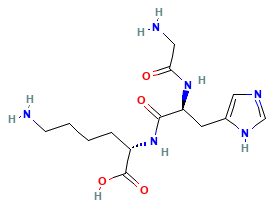
GHK-Cu
Copper tripeptide-1. Tissue regeneration studies.
CAS 49557-75-7
Ships in 3–5 days50mg vial · In stock
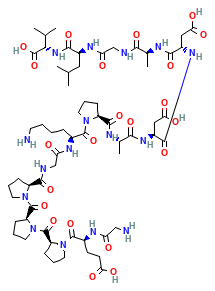
BPC-157
Pentadecapeptide. Gastric pentadecapeptide research.
CAS 137525-51-0
Ships in 3–5 days5mg vial · In stock
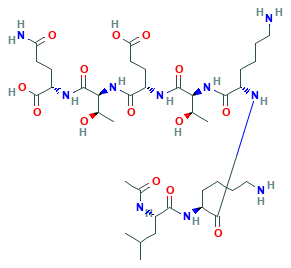
TB-500
Thymosin β4 fragment. Actin-binding domain active.
CAS 885340-08-9
Ships in 3–5 days5mg vial · In stock
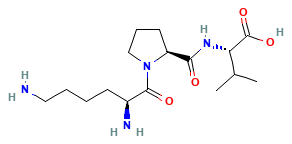
KPV
Anti-inflammatory tripeptide (Lys-Pro-Val). α-MSH fragment.
CAS 67727-97-3
Ships in 3–5 days10mg vial · In stock
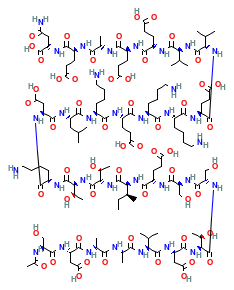
Thymosin Alpha-1
Immunomodulatory 28aa thymic peptide.
CAS 62304-98-7
Ships in 3–5 days10mg vial · In stock
For laboratory research use only