Longevity Research Peptides: The Full Panel Explained
Research compounds for laboratory use only · not medical advice
By Vyroval Research Desk — an institutional byline. PubMed-linked sources are checked against their indexed records; how this desk works.
The longevity research peptide panel — Epithalon, MOTS-c, SS-31, NAD+, GHK-Cu and Glutathione — and where each sits in aging and cellular-health studies.
The longevity research space is not one peptide — it is a panel of compounds, each addressing a different layer of aging biology. Here is the full set and where each one sits.
The panel at a glance
| Peptide | Layer of aging biology | Research focus |
|---|---|---|
| Epithalon | Telomere / pineal | Telomerase activity, circadian signaling |
| MOTS-c | Metabolic signaling | AMPK, metabolic flexibility, insulin sensitivity |
| SS-31 | Mitochondrial structure | Cardiolipin binding, bioenergetics, ROS |
| NAD+ | Redox coenzyme | Mitochondrial bioenergetics, sirtuin activation |
| GHK-Cu | Tissue remodeling | Collagen synthesis, wound repair |
| Glutathione | Antioxidant defense | Redox homeostasis, oxidative stress |
Telomere layer: Epithalon
Epithalon is the tetrapeptide from the pineal research tradition. Its distinctive thread is telomerase activity and telomere length — a direct entry point into replicative-aging questions.
Metabolic layer: MOTS-c
MOTS-c is the mitochondrial-encoded peptide studied for AMPK-pathway activation and metabolic flexibility. Its research asks whether restoring a youthful mitochondrial signal reproduces exercise-related metabolic effects.
Mitochondrial structure layer: SS-31
SS-31 targets the inner mitochondrial membrane via cardiolipin binding, with research spanning bioenergetics, reactive-oxygen production and ischemia-reperfusion injury models.
Redox coenzyme layer: NAD+
NAD+ is the electron-shuttling coenzyme at the center of mitochondrial bioenergetics and sirtuin activation — the supply-side of cellular energy metabolism.
Tissue remodeling layer: GHK-Cu
GHK-Cu is the copper peptide studied in fibroblast activity, collagen synthesis and wound-repair pathways — the structural-repair layer of the panel.
Antioxidant layer: Glutathione
Glutathione is the principal intracellular antioxidant, central to redox homeostasis and oxidative-stress research — the defense layer that protects the rest.
Handling notes
Lyophilized peptides (Epithalon, MOTS-c, SS-31, GHK-Cu) reconstitute with bacteriostatic water; the reconstitution calculator handles the math, and the molecular weight calculator covers concentration conversions. NAD+ and Glutathione are water-soluble lyophilized compounds.
See each product page for CAS, purity and full specifications.
For laboratory research use only. Not medical advice.
Last updated September 9, 2026
FAQ
Frequently asked questions
What peptides are used in longevity research?
The commonly studied panel includes Epithalon (telomere), MOTS-c (metabolic signaling), SS-31 (mitochondrial structure), NAD+ (redox), GHK-Cu (tissue remodeling) and Glutathione (antioxidant defense).
Are longevity peptides the same as anti-aging peptides?
The research community uses them interchangeably for the same group of compounds studied in aging biology — cellular energetics, telomere maintenance, redox balance and tissue repair.
How do these peptides differ from each other?
They target different layers of aging biology: telomeres (Epithalon), metabolism (MOTS-c), mitochondrial energetics (SS-31), redox coenzyme supply (NAD+), tissue remodeling (GHK-Cu) and antioxidant defense (Glutathione).
References
Selected literature for the compounds discussed
These papers are background literature on the compounds referenced above — they are not citations of this article.
- [1]Khavinson V.Kh., Morozov V.G. "Peptides of pineal gland and thymus: prolongation of life span." Bulletin of Experimental Biology and Medicine, 2003.
- [2]Lee C., et al. "The mitochondrial-derived peptide MOTS-c promotes metabolic homeostasis and reduces obesity and insulin resistance." Cell Metabolism, 2015.
- [3]Kumagai H., et al. "MOTS-c reduces myostatin and muscle atrophy signaling." Am J Physiol Endocrinol Metab, 2021.
- [4]Szeto H.H. "Cell-permeable, mitochondrial-targeted, peptide antioxidants." The AAPS Journal, 2006.
- [5]Szeto H.H. "First-in-class cardiolipin-protective compound as a therapeutic agent to restore mitochondrial bioenergetics." Br J Pharmacol, 2014.
Keep reading
Related articles
Epitalon (Epithalon): Telomere and Pineal Research
What Epitalon actually is — a synthetic pineal tetrapeptide studied in Russian telomerase biology — plus the July 2026 PCAC vote that removed it from the 503A list and what that means for research sourcing.
Epithalon (Epitalon): The Pineal Tetrapeptide
Epithalon (Ala-Glu-Asp-Gly), the synthetic pineal tetrapeptide, and its research in telomerase activity, circadian rhythm and longevity-focused biology.
Glutathione: The Intracellular Antioxidant Tripeptide
Glutathione (γ-Glu-Cys-Gly), the principal intracellular antioxidant, and its research in redox homeostasis, oxidative stress and detoxification pathways.
Laboratory tools
Put it into practice
From the catalog
Reference compounds
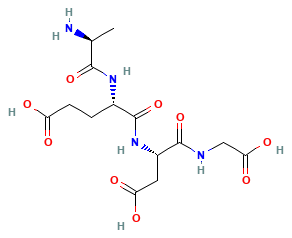
Epithalon
Pineal tetrapeptide (Ala-Glu-Asp-Gly). Telomerase research.
CAS 307297-39-8
Ships in 3–5 days10mg vial · In stock
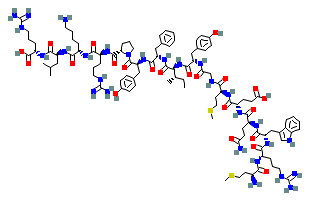
MOTS-c
Mitochondrial-derived 16aa peptide. Metabolic regulator.
CAS 1627580-64-6
Ships in 3–5 days10mg vial · In stock
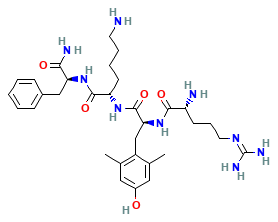
SS-31
Mitochondria-targeted tetrapeptide. Cardiolipin research.
CAS 736992-21-5
Ships in 3–5 days5mg vial · In stock
For laboratory research use only