Epitalon (Epithalon): Telomere and Pineal Research
Research compounds for laboratory use only · not medical advice
By Vyroval Research Desk — an institutional byline. PubMed-linked sources are checked against their indexed records; how this desk works.
What Epitalon actually is — a synthetic pineal tetrapeptide studied in Russian telomerase biology — plus the July 2026 PCAC vote that removed it from the 503A list and what that means for research sourcing.
What it is
Epitalon (also spelled Epithalon) is the synthetic copy of a pineal tetrapeptide. Where most peptides in catalog research target a named receptor, Epitalon’s proposed mechanism is nuclear: the bioregulator hypothesis holds that short pineal peptides enter cells and modulate age-related changes in gene transcription, with telomerase-activity and telomere-length endpoints being the most-cited outcomes.
That hypothesis remains contested in Western pharmacology, and we document it as contested here. What is not contested: Epitalon is one of the most-searched peptides with a negative regulatory status, and buyers need to know why.
The regulatory status — July 2026
Epitalon was on the FDA 503A bulk-substances list until the July 2026 PCAC review. The committee voted 7-4 to recommend its removal — the same session that removed BPC-157, TB-500 and KPV (8-6). The practical consequences for researchers:
- US compounding pharmacies lost the bulk-substance route for Epitalon products.
- Pure research material (lyophilized tetrapeptide with COA) is still a chemical, not a drug — but the enforcement climate around removed peptides tightened.
- Anything sold into US human channels post-removal carries regulatory risk on top of the usual ones.
Our full timeline of the vote is in the FDA 503A peptides article.
Handling notes for research use
| Parameter | Value |
|---|---|
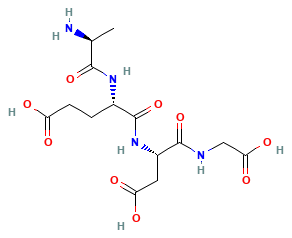
| Sequence | Ala-Glu-Asp-Gly |
| Formula / MW | C14H22N4O9 / 390.4 Da |
| CAS (commonly listed) | 307297-39-8 |
| Typical research form | Lyophilized powder, ≥98% by HPLC |
| Storage | −20 °C, desiccated, protected from light |
Reconstitution math for short tetrapeptides follows the same vial-mass → concentration → dose workflow as every other lyophilized peptide; use the reconstitution calculator rather than copying protocols sized for longer peptides.
How to read this literature critically
Most positive results come from a single research school’s decades-long Russian-language program. For an honest evidence picture: treatment groups in these studies are often small, assay endpoints (telomerase activity in vitro) are far from organismal outcomes, and independent Western replication is sparse. Treat claims of lifespan extension in any non-model-organism context as unreplicated.
Research use only. Not for human or animal administration; this article is documentation, not dosing advice.
FAQ
Frequently asked questions
What is Epitalon?
A synthetic tetrapeptide (Ala-Glu-Asp-Gly, C14H22N4O9, MW 390.4) corresponding to pineal gland peptide fractions. It was derived from work at Khavinson's lab in St. Petersburg, where pineal-derived peptides were studied as 'bioregulators' of gene expression.
Why is Epitalon hard to buy in the US now?
In July 2026 FDA's Peptide Drug Competitiveness Advisory Committee voted 7-4 to recommend removing Epitalon from the 503A bulk-substance list, alongside the BPC-157/TB-500/KPV removals. Bulk compounding of removed substances is no longer a lawful supply route.
What does the research literature support?
Preclinical and small human studies from the Russian literature describe effects on telomerase activity and melatonin-regulated sleep parameters in aged subjects. These are not FDA-approved indications, replication is limited, and most primary sources are Russian-language.
References
Selected literature for the compounds discussed
These papers are background literature on the compounds referenced above — they are not citations of this article.
- [1]Khavinson V.Kh., Morozov V.G. "Peptides of pineal gland and thymus: prolongation of life span." Bulletin of Experimental Biology and Medicine, 2003.
- [2]Bogan K.L., Brenner C. "Nicotinic acid, nicotinamide, and nicotinamide riboside: a molecular evaluation of NAD+ precursor vitamins in human nutrition." Annual Review of Nutrition, 2008.
- [3]Yoshino J., Baur J.A., Imai S. "NAD+ intermediates: the biology and therapeutic potential of NMN and NR." Cell Metabolism, 2018.
- [4]Lee C., et al. "The mitochondrial-derived peptide MOTS-c promotes metabolic homeostasis and reduces obesity and insulin resistance." Cell Metabolism, 2015.
- [5]Kumagai H., et al. "MOTS-c reduces myostatin and muscle atrophy signaling." Am J Physiol Endocrinol Metab, 2021.
- [6]Szeto H.H. "Cell-permeable, mitochondrial-targeted, peptide antioxidants." The AAPS Journal, 2006.
Keep reading
Related articles
Epithalon (Epitalon): The Pineal Tetrapeptide
Epithalon (Ala-Glu-Asp-Gly), the synthetic pineal tetrapeptide, and its research in telomerase activity, circadian rhythm and longevity-focused biology.
Glutathione: The Intracellular Antioxidant Tripeptide
Glutathione (γ-Glu-Cys-Gly), the principal intracellular antioxidant, and its research in redox homeostasis, oxidative stress and detoxification pathways.
L-Carnitine: The Fatty-Acid Transport Cofactor in Research
L-carnitine, the quaternary ammonium compound essential for mitochondrial fatty-acid transport, and its research in lipid metabolism and bioenergetics.
Laboratory tools
Put it into practice
From the catalog
Reference compounds
Epithalon
Pineal tetrapeptide (Ala-Glu-Asp-Gly). Telomerase research.
CAS 307297-39-8
Ships in 3–5 days10mg vial · In stock
NAD+
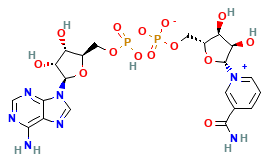
Nicotinamide adenine dinucleotide. Cellular metabolism studies.
CAS 53-84-9
Ships in 3–5 days500mg vial · In stock
MOTS-c
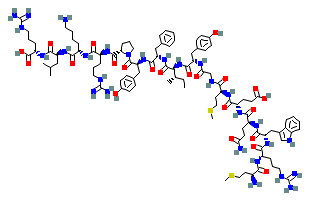
Mitochondrial-derived 16aa peptide. Metabolic regulator.
CAS 1627580-64-6
Ships in 3–5 days10mg vial · In stock
SS-31
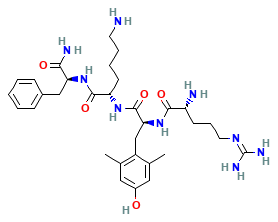
Mitochondria-targeted tetrapeptide. Cardiolipin research.
CAS 736992-21-5
Ships in 3–5 days5mg vial · In stock
For laboratory research use only