MOTS-c vs SS-31: Mitochondrial Peptides
Research compounds for laboratory use only · not medical advice
By Vyroval Research Desk — an institutional byline. PubMed-linked sources are checked against their indexed records; how this desk works.
Comparing MOTS-c and SS-31 — the mitochondrial-derived metabolic peptide and the cardiolipin-binding tetrapeptide — and how their mitochondrial research differs.
Mitochondria are the target of two of the most-discussed research peptides in the longevity space, but they get there by completely different routes: one is a mitochondrial-encoded signaling peptide, the other is a synthetic molecule that homes to the inner membrane by lipid affinity.
The molecules
| MOTS-c | SS-31 | |
|---|---|---|
| Type | Mitochondrial-derived peptide (16 aa) | Synthetic Szeto-Schiller tetrapeptide |
| Sequence | MRWQEMGYIFYPRKLR | D-Arg-Dmt-Lys-Phe-NH₂ |
| MW | ≈ 2175 g/mol | ≈ 640 g/mol |
| Origin | Encoded in mtDNA (12S rRNA ORF) | Designed; binds cardiolipin |
MOTS-c: metabolic signaling
MOTS-c is the AMPK-pathway peptide: it is studied for metabolic flexibility, insulin sensitivity and exercise-mimetic signaling in skeletal muscle. Its defining feature is that it comes from mitochondrial DNA — a peptide the organelle makes itself to signal metabolic state.
SS-31: structure and energetics
SS-31 (elamipretide) is built around cardiolipin binding — the inner-membrane lipid that organizes electron-transport complexes. Its research focus is bioenergetics, reactive-oxygen production, and ischemia-reperfusion injury models.
The wider mitochondrial panel
MOTS-c (signaling) and SS-31 (structure) join NAD+ (redox coenzyme) and Epithalon (telomere/pineal) in the broader mitochondrial and longevity research space — each addressing a different layer of cellular energetics.
Handling notes
Both are lyophilized and reconstituted with bacteriostatic water; the reconstitution calculator handles the liquid math.
See MOTS-c and SS-31 for CAS, purity and full specifications.
For laboratory research use only. Not medical advice.
Last updated September 9, 2026
FAQ
Frequently asked questions
What is the difference between MOTS-c and SS-31?
MOTS-c is a 16-amino-acid peptide encoded by mitochondrial DNA, studied for AMPK activation and metabolic flexibility. SS-31 is a synthetic tetrapeptide that binds cardiolipin, studied for mitochondrial bioenergetics and ROS.
Do MOTS-c and SS-31 work on the same pathway?
No — MOTS-c is a metabolic signaling peptide (AMPK, glucose flux), while SS-31 is a structural-cardiolipin-targeted peptide (electron transport, ROS). They are studied for different aspects of mitochondrial biology.
Can they be combined in research?
They address complementary mitochondrial questions — signaling (MOTS-c) versus structure/energetics (SS-31) — and are sometimes discussed together in mitochondrial-health research panels.
References
Selected literature for the compounds discussed
These papers are background literature on the compounds referenced above — they are not citations of this article.
- [1]Lee C., et al. "The mitochondrial-derived peptide MOTS-c promotes metabolic homeostasis and reduces obesity and insulin resistance." Cell Metabolism, 2015.
- [2]Kumagai H., et al. "MOTS-c reduces myostatin and muscle atrophy signaling." Am J Physiol Endocrinol Metab, 2021.
- [3]Szeto H.H. "Cell-permeable, mitochondrial-targeted, peptide antioxidants." The AAPS Journal, 2006.
- [4]Szeto H.H. "First-in-class cardiolipin-protective compound as a therapeutic agent to restore mitochondrial bioenergetics." Br J Pharmacol, 2014.
- [5]Bogan K.L., Brenner C. "Nicotinic acid, nicotinamide, and nicotinamide riboside: a molecular evaluation of NAD+ precursor vitamins in human nutrition." Annual Review of Nutrition, 2008.
- [6]Yoshino J., Baur J.A., Imai S. "NAD+ intermediates: the biology and therapeutic potential of NMN and NR." Cell Metabolism, 2018.
Keep reading
Related articles
Epithalon (Epitalon): The Pineal Tetrapeptide
Epithalon (Ala-Glu-Asp-Gly), the synthetic pineal tetrapeptide, and its research in telomerase activity, circadian rhythm and longevity-focused biology.
Glutathione: The Intracellular Antioxidant Tripeptide
Glutathione (γ-Glu-Cys-Gly), the principal intracellular antioxidant, and its research in redox homeostasis, oxidative stress and detoxification pathways.
L-Carnitine: The Fatty-Acid Transport Cofactor in Research
L-carnitine, the quaternary ammonium compound essential for mitochondrial fatty-acid transport, and its research in lipid metabolism and bioenergetics.
Laboratory tools
Put it into practice
From the catalog
Reference compounds
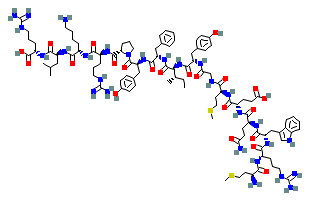
MOTS-c
Mitochondrial-derived 16aa peptide. Metabolic regulator.
CAS 1627580-64-6
Ships in 3–5 days10mg vial · In stock
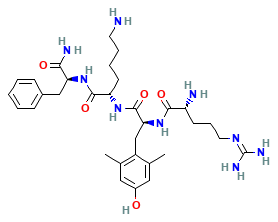
SS-31
Mitochondria-targeted tetrapeptide. Cardiolipin research.
CAS 736992-21-5
Ships in 3–5 days5mg vial · In stock
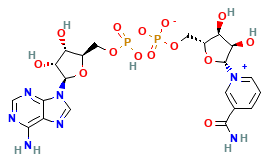
NAD+
Nicotinamide adenine dinucleotide. Cellular metabolism studies.
CAS 53-84-9
Ships in 3–5 days500mg vial · In stock
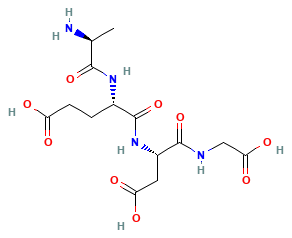
Epithalon
Pineal tetrapeptide (Ala-Glu-Asp-Gly). Telomerase research.
CAS 307297-39-8
Ships in 3–5 days10mg vial · In stock
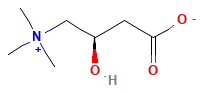
L-Carnitine
Fatty-acid metabolism cofactor. Mitochondrial research.
CAS 541-15-1
Ships in 3–5 days600mg vial · In stock
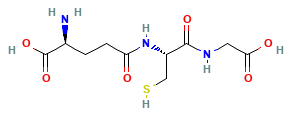
Glutathione
Tripeptide antioxidant. Redox homeostasis research.
CAS 70-18-8
Ships in 3–5 days500mg vial · In stock
For laboratory research use only