NAD+: The Redox Coenzyme and Its 500 mg Vial
Research compounds for laboratory use only · not medical advice
By Vyroval Research Desk — an institutional byline. PubMed-linked sources are checked against their indexed records; how this desk works.
What NAD+ does in cellular metabolism research, why the 500 mg vial reconstitutes differently, and the concentration math researchers actually need.
NAD+ sits at the metabolic center of the catalog — literally. Nicotinamide adenine dinucleotide is the redox coenzyme every energy-metabolism study eventually touches, and its vial is a different scale from the peptides around it.
What the molecule is
NAD+ (C₂₁H₂₇N₇O₁₄P₂, ≈ 663 g/mol) is the oxidized form of the coenzyme that shuttles electrons in hundreds of cellular reactions. Research references concentrate on mitochondrial function, sirtuin activation, and cellular energy metabolism — the pathways that make NAD+ a fixture in aging and metabolic research protocols.
The 500 mg vial is a different game
Most lyophilized products here are 5–10 mg. NAD+ ships at 500 mg, which trips up researchers used to microgram math:
- 500 mg = 500,000 µg
- Reconstitute with 10 mL bacteriostatic water → 50,000 µg/mL
- A 250 mg dose = 5 mL — this is a syringe-and-filter job, not an insulin draw
That’s why the ancillaries section exists: PTFE syringe filters and sterile empty vials are the standard companions when splitting a 500 mg reconstitution into working aliquots.
Aliquoting math
A common workflow is reconstituting then splitting into per-day vials:
- Reconstitute 500 mg in 10 mL → 50 mg/mL stock
- Want 5 mL aliquots at 25 mg/mL? Use the dilution calculator: 2.5 mL stock + 2.5 mL bacteriostatic water per vial
- Store aliquots refrigerated per the Certificate of Analysis
The reconstitution calculator handles the initial concentration step with the NAD+ preset; the dilution calculator takes over when you split.
Practical notes
NAD+ is water-soluble and lyophilized for −20 °C storage. We get asked whether it can be reconstituted at higher volumes for infusion work — the product page lists solubility as water, and the stability window follows the COA. See NAD+ for full specifications.
For laboratory research use only. Not medical advice.
Last updated September 9, 2026
FAQ
Frequently asked questions
What is NAD+ used for in research?
NAD+ (nicotinamide adenine dinucleotide) is the essential redox coenzyme studied in mitochondrial function, sirtuin activation and cellular energy metabolism.
How do I reconstitute the 500 mg vial?
It follows the same math as any lyophilized compound: concentration = 500,000 µg ÷ water volume. 10 mL water gives 50,000 µg/mL; a 250,000 µg (250 mg) dose is 5 mL.
Why is the vial so much bigger than the peptides?
NAD+ doses in research protocols are commonly in the hundreds of milligrams, not micrograms — so the vial is sized accordingly. The molecular weight is also small (≈ 663 g/mol).
References
Selected literature for the compounds discussed
These papers are background literature on the compounds referenced above — they are not citations of this article.
- [1]Bogan K.L., Brenner C. "Nicotinic acid, nicotinamide, and nicotinamide riboside: a molecular evaluation of NAD+ precursor vitamins in human nutrition." Annual Review of Nutrition, 2008.
- [2]Yoshino J., Baur J.A., Imai S. "NAD+ intermediates: the biology and therapeutic potential of NMN and NR." Cell Metabolism, 2018.
- [3]Lee C., et al. "The mitochondrial-derived peptide MOTS-c promotes metabolic homeostasis and reduces obesity and insulin resistance." Cell Metabolism, 2015.
- [4]Kumagai H., et al. "MOTS-c reduces myostatin and muscle atrophy signaling." Am J Physiol Endocrinol Metab, 2021.
- [5]Khavinson V.Kh., Morozov V.G. "Peptides of pineal gland and thymus: prolongation of life span." Bulletin of Experimental Biology and Medicine, 2003.
- [6]Rebouche C.J., Seim H. "Carnitine metabolism and its regulation in microorganisms and mammals." Annual Review of Nutrition, 1998.
Keep reading
Related articles
Epithalon (Epitalon): The Pineal Tetrapeptide
Epithalon (Ala-Glu-Asp-Gly), the synthetic pineal tetrapeptide, and its research in telomerase activity, circadian rhythm and longevity-focused biology.
Glutathione: The Intracellular Antioxidant Tripeptide
Glutathione (γ-Glu-Cys-Gly), the principal intracellular antioxidant, and its research in redox homeostasis, oxidative stress and detoxification pathways.
L-Carnitine: The Fatty-Acid Transport Cofactor in Research
L-carnitine, the quaternary ammonium compound essential for mitochondrial fatty-acid transport, and its research in lipid metabolism and bioenergetics.
Laboratory tools
Put it into practice
From the catalog
Reference compounds
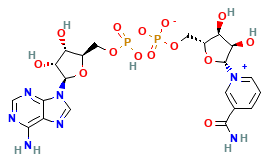
NAD+
Nicotinamide adenine dinucleotide. Cellular metabolism studies.
CAS 53-84-9
Ships in 3–5 days500mg vial · In stock
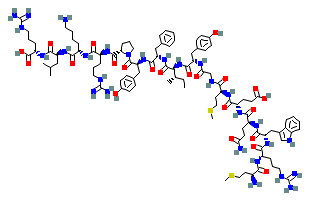
MOTS-c
Mitochondrial-derived 16aa peptide. Metabolic regulator.
CAS 1627580-64-6
Ships in 3–5 days10mg vial · In stock
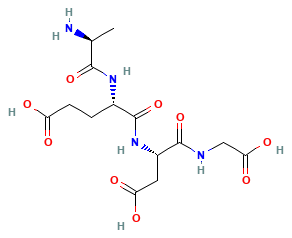
Epithalon
Pineal tetrapeptide (Ala-Glu-Asp-Gly). Telomerase research.
CAS 307297-39-8
Ships in 3–5 days10mg vial · In stock
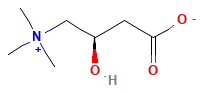
L-Carnitine
Fatty-acid metabolism cofactor. Mitochondrial research.
CAS 541-15-1
Ships in 3–5 days600mg vial · In stock
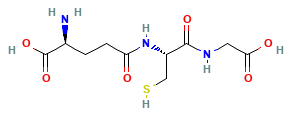
Glutathione
Tripeptide antioxidant. Redox homeostasis research.
CAS 70-18-8
Ships in 3–5 days500mg vial · In stock
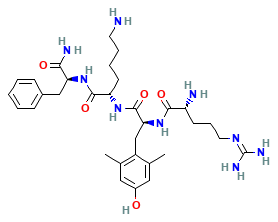
SS-31
Mitochondria-targeted tetrapeptide. Cardiolipin research.
CAS 736992-21-5
Ships in 3–5 days5mg vial · In stock
For laboratory research use only