SS-31 (Elamipretide): Mitochondria-Targeted Tetrapeptide
Research compounds for laboratory use only · not medical advice
By Vyroval Research Desk — an institutional byline. PubMed-linked sources are checked against their indexed records; how this desk works.
SS-31, the Szeto-Schiller cardiolipin-binding tetrapeptide, and its research in mitochondrial bioenergetics, ROS and ischemia-reperfusion models.
Most peptides have to find a receptor. SS-31 works differently: it is built to cross membranes freely and then bind the one lipid that lives almost exclusively in the inner mitochondrial membrane. That single design decision defines its research profile.
The molecule
SS-31 (elamipretide, C₃₂H₄₉N₉O₅, ≈ 640 g/mol) belongs to the Szeto-Schiller family of tetrapeptides. Its alternating aromatic–cationic amino acid sequence (D-Arg-Dmt-Lys-Phe-NH₂) allows it to penetrate cell and mitochondrial membranes without requiring a transport protein. Once inside, it binds cardiolipin, the phospholipid that anchors electron-transport-chain complexes and cytochrome c to the inner membrane.
Why it’s studied
Binding cardiolipin is not just localization — it is mechanistically relevant:
- Mitochondrial bioenergetics — cardiolipin organizes respiratory supercomplexes; SS-31 research examines whether binding preserves complex function under stress
- ROS and oxidative-stress models — the cardiolipin–cytochrome c interaction is a node in electron-transport efficiency and reactive oxygen production
- Ischemia-reperfusion injury — where mitochondrial permeability transition during reperfusion is a central event
- Age-related mitochondrial decline — a recurring theme given cardiolipin content drops in aging tissue
Szeto’s 2006 review in The AAPS Journal is a standard entry point for the family’s mechanism.
Handling notes
Lyophilized, reconstitute with bacteriostatic water; the reconstitution calculator does the math. Store at −20°C lyophilized.
See SS-31 for CAS, purity and full specifications.
For laboratory research use only. Not medical advice.
Last updated September 9, 2026
FAQ
Frequently asked questions
What is SS-31?
SS-31 (elamipretide) is a cell-permeable, mitochondria-targeted tetrapeptide from the Szeto-Schiller family. It selectively binds cardiolipin on the inner mitochondrial membrane.
What research uses SS-31?
It is studied in mitochondrial bioenergetics, reactive-oxygen-species (ROS) research, ischemia-reperfusion injury models, and cardiolipin–cytochrome c interaction studies.
Why does SS-31 target mitochondria?
Its alternating aromatic-cationic structure lets it cross membranes without a transporter, and its affinity for cardiolipin — a lipid almost exclusive to the inner mitochondrial membrane — gives it mitochondrial selectivity.
References
Selected literature for the compounds discussed
These papers are background literature on the compounds referenced above — they are not citations of this article.
- [1]Szeto H.H. "Cell-permeable, mitochondrial-targeted, peptide antioxidants." The AAPS Journal, 2006.
- [2]Szeto H.H. "First-in-class cardiolipin-protective compound as a therapeutic agent to restore mitochondrial bioenergetics." Br J Pharmacol, 2014.
- [3]Bogan K.L., Brenner C. "Nicotinic acid, nicotinamide, and nicotinamide riboside: a molecular evaluation of NAD+ precursor vitamins in human nutrition." Annual Review of Nutrition, 2008.
- [4]Yoshino J., Baur J.A., Imai S. "NAD+ intermediates: the biology and therapeutic potential of NMN and NR." Cell Metabolism, 2018.
- [5]Lee C., et al. "The mitochondrial-derived peptide MOTS-c promotes metabolic homeostasis and reduces obesity and insulin resistance." Cell Metabolism, 2015.
- [6]Kumagai H., et al. "MOTS-c reduces myostatin and muscle atrophy signaling." Am J Physiol Endocrinol Metab, 2021.
Keep reading
Related articles
Epithalon (Epitalon): The Pineal Tetrapeptide
Epithalon (Ala-Glu-Asp-Gly), the synthetic pineal tetrapeptide, and its research in telomerase activity, circadian rhythm and longevity-focused biology.
Glutathione: The Intracellular Antioxidant Tripeptide
Glutathione (γ-Glu-Cys-Gly), the principal intracellular antioxidant, and its research in redox homeostasis, oxidative stress and detoxification pathways.
L-Carnitine: The Fatty-Acid Transport Cofactor in Research
L-carnitine, the quaternary ammonium compound essential for mitochondrial fatty-acid transport, and its research in lipid metabolism and bioenergetics.
Laboratory tools
Put it into practice
From the catalog
Reference compounds
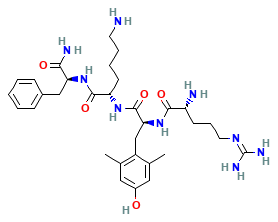
SS-31
Mitochondria-targeted tetrapeptide. Cardiolipin research.
CAS 736992-21-5
Ships in 3–5 days5mg vial · In stock
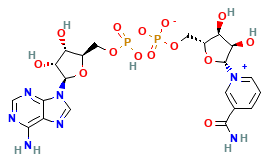
NAD+
Nicotinamide adenine dinucleotide. Cellular metabolism studies.
CAS 53-84-9
Ships in 3–5 days500mg vial · In stock
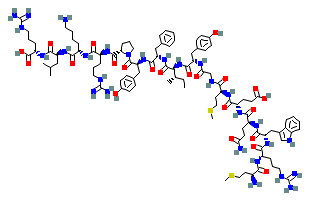
MOTS-c
Mitochondrial-derived 16aa peptide. Metabolic regulator.
CAS 1627580-64-6
Ships in 3–5 days10mg vial · In stock
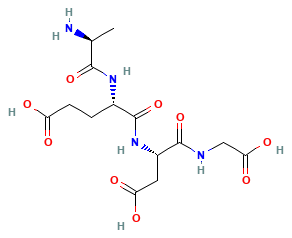
Epithalon
Pineal tetrapeptide (Ala-Glu-Asp-Gly). Telomerase research.
CAS 307297-39-8
Ships in 3–5 days10mg vial · In stock
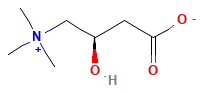
L-Carnitine
Fatty-acid metabolism cofactor. Mitochondrial research.
CAS 541-15-1
Ships in 3–5 days600mg vial · In stock
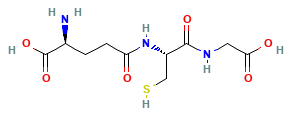
Glutathione
Tripeptide antioxidant. Redox homeostasis research.
CAS 70-18-8
Ships in 3–5 days500mg vial · In stock
For laboratory research use only